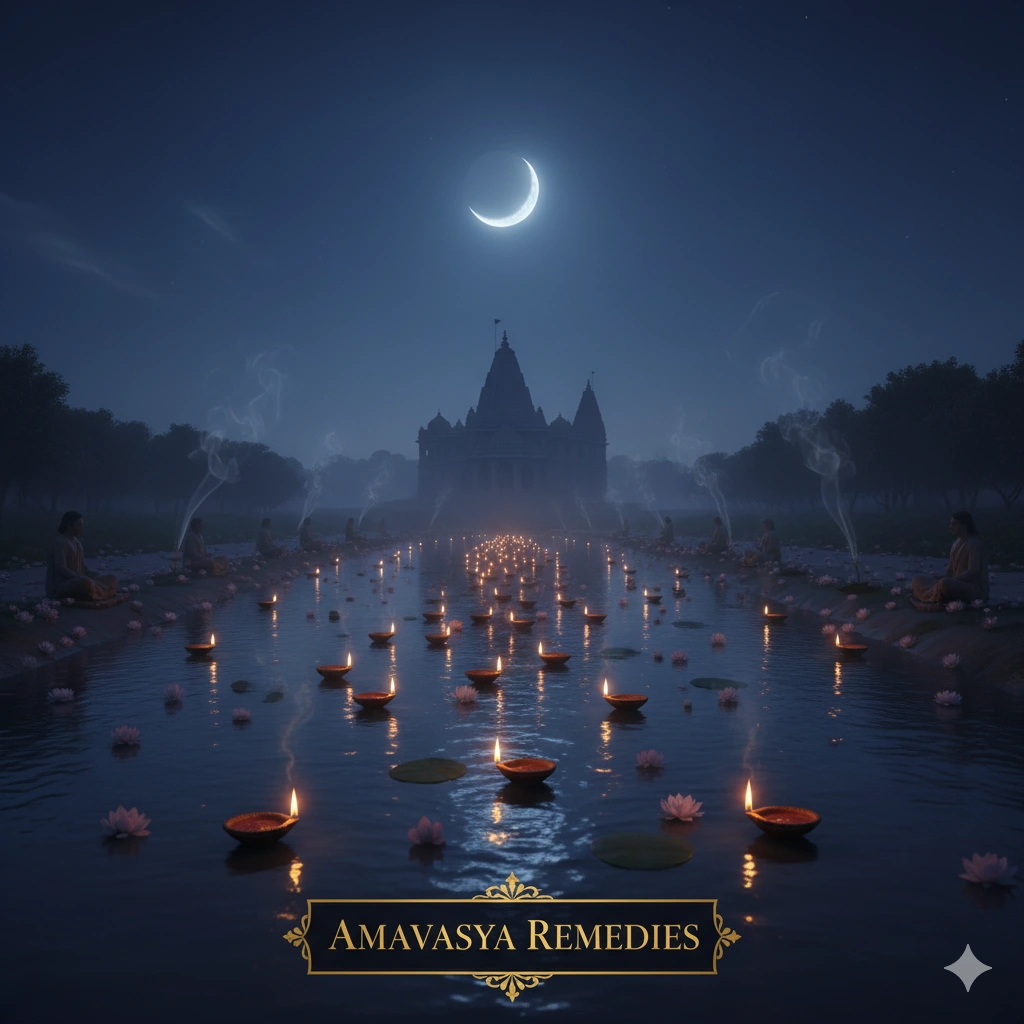
### 🕊️ Introduction: The Spiritual Call of Pitru Paksha
There comes a time every year when the veil between our world and the realm of the ancestors becomes incredibly thin. Pitru Paksha, the sacred fortnight dedicated to honoring our departed forefathers, is not merely a ritual—it is a profound emotional and spiritual journey. In the fast-paced life of a bustling city like Pune, it is easy to forget the sacrifices our ancestors made for our well-being. But true peace, both in our minds and in our homes, begins with acknowledging our roots.
Have you ever felt unexplainable blockages in your career? Or persistent unrest within your family despite having everything? According to Vedic astrology, when our ancestors (Pitrus) are unsatisfied or unremembered, it can manifest as Pitru Dosh. Performing the **Pitru Paksha Shradh** with devotion is the most powerful way to seek their blessings, ensure their peace in the afterlife, and clear karmic blockages from our own lives.
Whether you reside in the serene lanes of **Baner** and **Wakad**, or the busy corporate hubs of **Hinjewadi** and **Kharadi**, taking time out for this sacred duty is crucial. In this comprehensive guide, we will explore the deep significance of Pitru Paksha Shradh, the correct step-by-step Vedic Vidhi, and how you can perform this vital ceremony right here in Pune.
---
### 🌅 The Significance of Pitru Paksha Shradh
The word "Shradh" originates from the Sanskrit word *Sraddha*, which means faith and devotion. Pitru Paksha Shradh is the ultimate expression of gratitude toward the souls who gave us life, name, and culture.
According to the Garuda Purana, during the 15 days of Pitru Paksha, the souls of the departed are permitted to leave Pitru Loka (the realm of ancestors) and visit their descendants on Earth. They come with the hope of receiving offerings of food (Pind Daan) and water (Tarpan). When descendants perform these rituals with a pure heart, the ancestors are satiated and return with immense blessings. If ignored, they return disappointed, which may lead to spiritual and material challenges for the family.
Performing Shradh during this specific time is considered more meritorious than performing it at any other time of the year. It ensures:
- **Resolution of Pitru Dosh:** Clears ancestral curses or unresolved karmic debts.
- **Family Harmony:** Brings peace, reduces conflicts, and ensures the well-being of the next generation.
- **Spiritual Growth:** Teaches humility, gratitude, and the transient nature of life.
- **Material Success:** Removes unseen obstacles in career, business, and financial matters.
---
### 📜 Step-by-Step Pitru Paksha Shradh Vidhi
Performing Shradh requires strict adherence to Vedic injunctions. While variations exist based on family traditions, a standard Shradh ceremony involves the following essential steps:
#### 1. Sankalpa (The Vow)
The ritual begins with a solemn vow taken by the performer (usually the eldest son), stating the date, time, location, and the names and Gotra of the ancestors for whom the Shradh is being performed.
#### 2. Tarpan (Offering of Water)
Tarpan involves offering a mixture of water, black sesame seeds (Kaale Til), barley, and Kusha grass to the deities, sages, and ancestors. Black sesame is considered highly sacred in ancestral rites as it is believed to be cooling and satisfying for the souls.
#### 3. Pind Daan (Offering of Food)
This is the core of the Shradh ceremony. Balls made of cooked rice, black sesame, ghee, and honey (called Pinds) are prepared and offered to the ancestors. These Pinds represent a spiritual sustenance that satisfies the hunger of the departed souls.
#### 4. Brahmin Bhojan (Feeding the Priest)
In Vedic tradition, feeding a pious Brahmin is equivalent to feeding the ancestors themselves. After the Pind Daan, sattvic food is served to the presiding Pandit, and Dakshina (monetary offering) along with clothes and other items are donated.
#### 5. Panchabali (The Five Offerings)
Before the family partakes in the meal, small portions of the cooked food are kept aside for five specific beings:
- **Gau (Cow):** Representing purity and the divine mother.
- **Shvan (Dog):** Representing Yama, the god of death.
- **Kaka (Crow):** Believed to be the messengers of the ancestors.
- **Deva (Gods):** Expressing gratitude to the divine.
- **Pipilika (Ants/Insects):** Acknowledging all microscopic life forms.
---
---
### 📍 Performing Shradh in Pune: Local Insights
Pune has a rich cultural heritage and a deep connection to Vedic traditions. However, finding authentic Samagri and knowledgeable Pandits in specific localities can be challenging during the busy Pitru Paksha season.
Whether you are living in an apartment in **Viman Nagar** or a bungalow in **Hadapsar**, the rituals can be adapted respectfully to your living space.
- **Space Arrangement:** A clean, quiet corner facing the South (the direction of Yama and ancestors) is ideal for the setup.
- **Samagri Sourcing:** Our Pandits bring complete, authentic Shradh Samagri with them, ensuring you do not have to run around markets in **Baner** or **Hinjewadi** at the last minute.
- **Language Preference:** We provide Pandits who are fluent in Marathi, Hindi, and Sanskrit, ensuring that you understand every step of the beautiful process.
If you have a known ancestral dosha, you might also consider reading about [Pitru Dosh Shanti Puja](/pooja/pitru-dosh-shanti-puja) or the comprehensive [Narayan Nagbali Puja](/pooja/narayan-nagbali-puja) for deeper karmic healing.
---
### ❓ Frequently Asked Questions (FAQs)
**1. Can Shradh be performed in an apartment in Pune?**
Yes, absolutely. The rituals can be performed respectfully within your apartment. The only requirement is a clean space, preferably facing South. Our Pandits are experienced in conducting these ceremonies in modern living spaces across Wakad, Baner, and Viman Nagar.
**2. What happens if I don't know the exact death anniversary (Tithi) of my ancestors?**
If the exact Tithi is unknown, you can perform the Shradh on **Sarvapitri Amavasya** (the last day of Pitru Paksha). This day is dedicated to all known and unknown ancestors.
**3. Do I need to arrange the Samagri myself?**
No, when you book a Pandit through our platform, they arrive with the complete and authentic Samagri required for the Tarpan and Pind Daan rituals.
**4. Can women perform Pitru Paksha Shradh?**
Yes. While traditionally the eldest son performs the rites, in the absence of a male heir, daughters or the widow can absolutely perform the Shradh with devotion.
**5. How long does the entire Shradh ceremony take?**
A standard Pitru Paksha Shradh ceremony takes approximately 1.5 to 2 hours, including the Tarpan, Pind Daan, and Brahmin Bhojan.
---
---
### ✨ You May Also Be Interested In
If you are looking to bring more peace, balance, and prosperity into your home, consider exploring these deeply transformative Vedic poojas:
* [Pitru Dosh Shanti Puja](/pooja/pitru-dosh-shanti-puja)
* [Kaal Sarp Dosh Shanti](/pooja/kaal-sarp-dosh-shanti)
* [Narayan Nagbali Puja](/pooja/narayan-nagbali-puja)
* [Rudrabhishek](/pooja/rudrabhishek)
* [Grah Shanti Puja](/pooja/grah-shanti-puja)
🙏 Need Assistance with Pitru Paksha Shradh in Pune?
Performing these rituals accurately requires deep knowledge of mantras and Vidhi. Our certified and highly experienced Pandits are available across all locations in Pune.
Call Pandit Ji Now: 8668552465📅 Secure Your Shradh Muhurat Today
Pitru Paksha is a busy season, and the availability of expert Pandits in Pune gets limited quickly. Don't wait until the last minute.
Get Muhurat Consultation on WhatsApp